







Ages 3–13 · For parents

Focus, routines and calm, one small step a day

Moli is an at-home support program for parents of children who struggle with attention and self-regulation, including children with ADHD. Your child plays for 15–20 minutes a day; then the screen turns off and you do the day’s activity together.

  • The first 3 program days are free, no card needed
  • No ads, no third-party tracking
  • No punishment, no surprise boxes, no endless feeds
Coming soonApp Store Coming soonGoogle Play
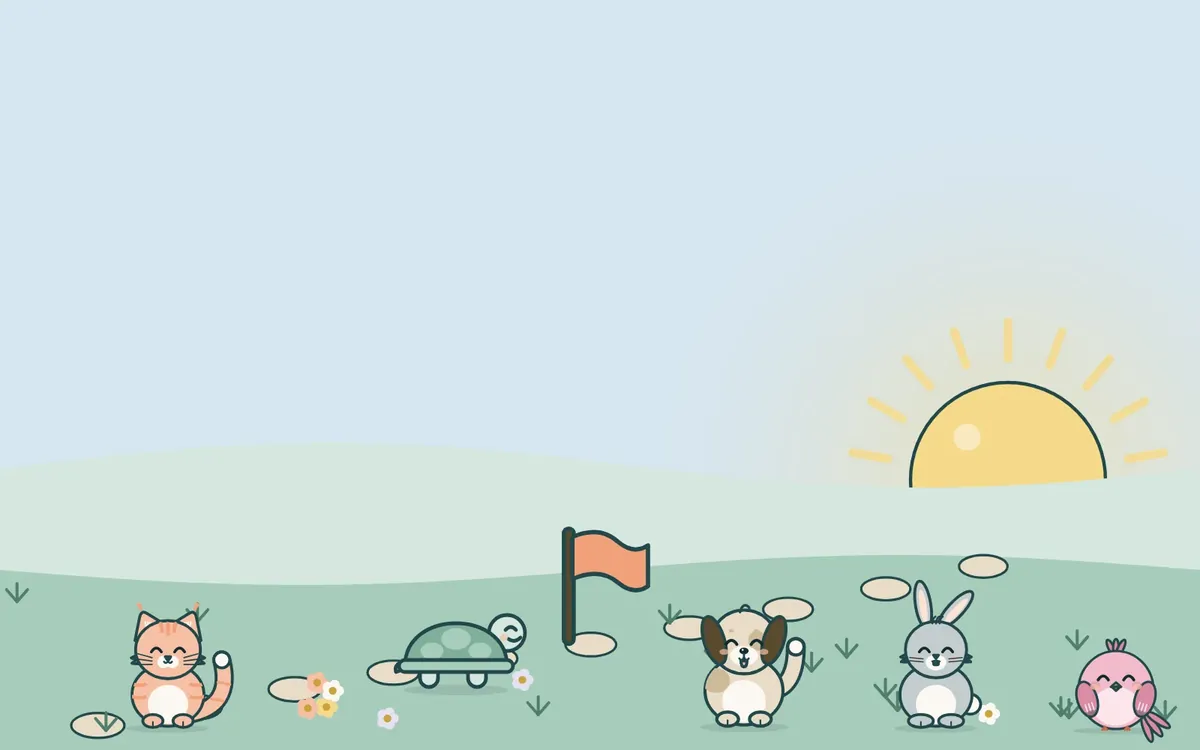
A flag on a path toward the rising sun, with Moli the turtle and her friends: a cat, a dog, a rabbit and a bird.
  • No ads
  • No third-party tracking
  • No punishment
  • A daily screen time limit
  • English and Turkish
  • iPhone, iPad and Android
Who is it for?

For children who find attention and self-regulation hard, and the parents who love them

If getting ready in the morning takes forever, starting homework turns into a daily battle, or waiting and handling big feelings feel hard, you’re not alone. Most of the time it isn’t unwillingness; it’s skills that are still growing.

Moli practices these skills in short, playful steps every day, and gives you a ready-made plan that shows you what to do and what to say.

  • The morning rush and running late
  • Not getting started on homework, losing focus
  • Finding it hard to wait or take turns
  • Moments of anger and frustration
  • Getting off screens
  • Forgotten things and unfinished tasks

Suitable for every child aged 3–13, with or without ADHD. Moli is not a health service and does not replace professional advice.

How it works

15–20 minutes of screen time, then a real moment together

A day in Moli has four steps and ends when the screen turns off. The program is ready day by day for every age group, so there’s nothing for you to pick or prepare.

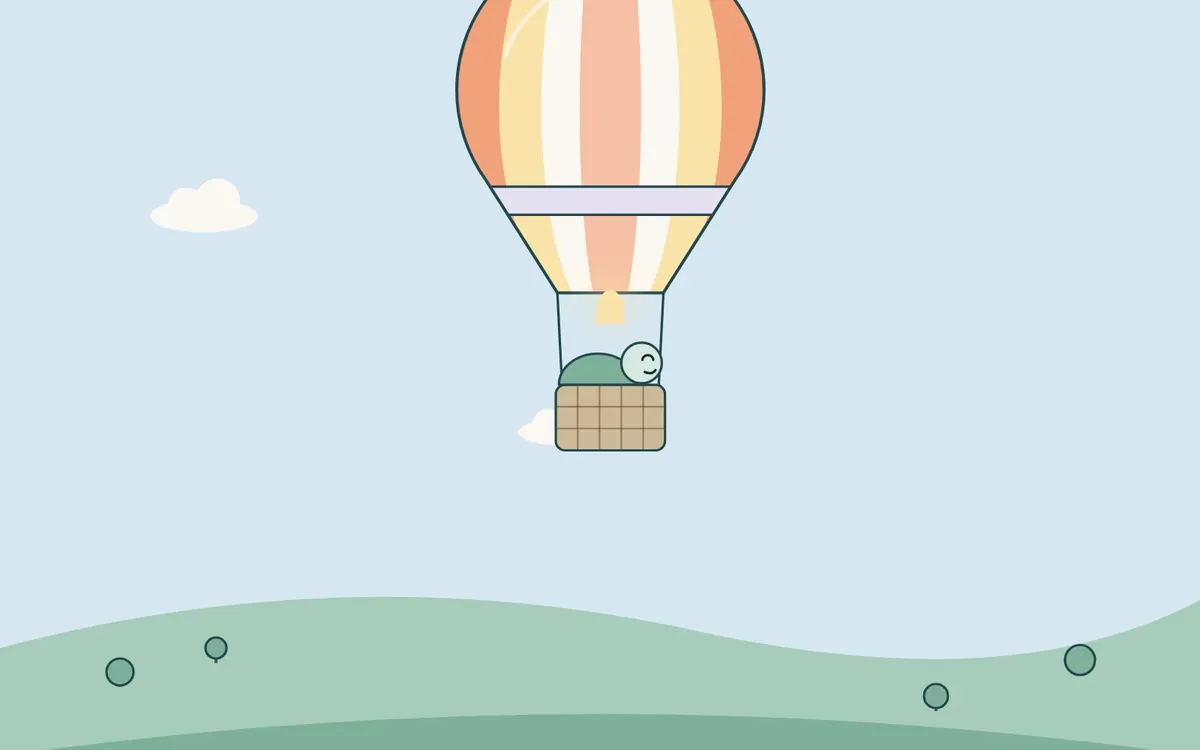
  1. A striped hot-air balloon drifting across the sky, with Moli in the basket.
    Step 1

    Warm up

    Fireflies, soap bubbles, a breathing balloon… A calm start that warms up fingers and eyes. No points, no rush.

  2. A traffic light in town, with a little car waiting on the road.
    Step 2

    Play

    Games for attention, waiting, memory and planning. Each one gets harder level by level, at your child’s pace; 3 stars open the next level.

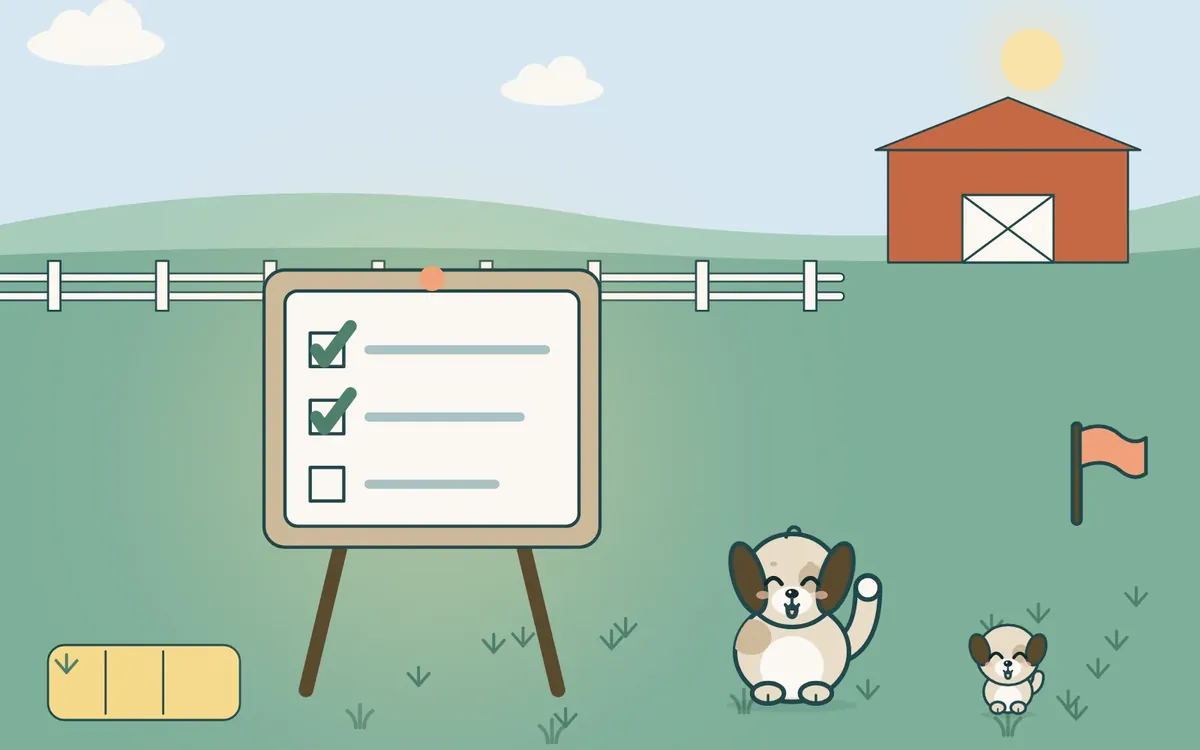
  3. A plan board with check marks in the garden, with a dog and its puppy beside it.
    Step 3

    Tasks

    Tap, sort, draw, listen, pick a feeling: 1–3 small tasks on the phone. Every task earns a fixed number of treats, which your child feeds to their pet.

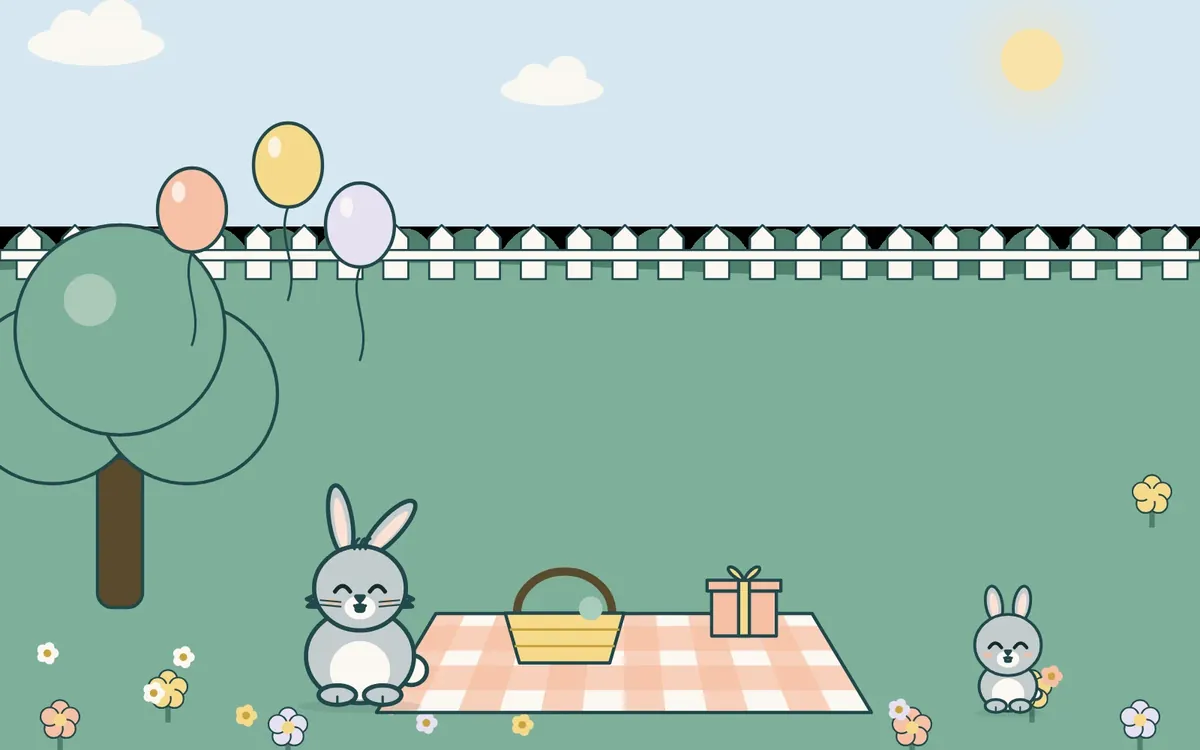
  4. A picnic blanket under a tree with a basket and a gift box, and a rabbit with its baby.
    Step 4

    Together

    The screen turns off and you do the day’s activity together: a step-by-step guide, “Say it like this” lines and a timer when needed.

15–20 minutes a day No “one more round” Ends with a screen-free activity

Five skills

Skills that make everyday life easier

Each program day focuses on one skill. In the first weeks the skills are built one at a time; then they’re carried into real-life moments like mornings, homework and friendships.

  • Calming down

    Breathing, body awareness and a calm-down corner: a toolbox that is ready before big feelings arrive.

  • Attention

    Focusing on one thing, noticing distractions and finding the way back to the task.

  • Impulse control

    Waiting, taking turns and being able to “stop and think.”

  • Memory and planning

    Keeping an instruction in mind, putting steps in order and planning ahead.

  • Routines

    Predictable picture routines for mornings, after school and bedtime.

For your child

Feels like play, stays calm

Your child’s side is designed with soft colors, calm sounds and big touch targets. In the evening, it switches to night mode on its own.

Glowing fireflies in a night meadow, with a cat and her kitten.
Warm-ups

A gentle way in

Fireflies in a twilight meadow, a star hunt over Cappadocia, drawing in the sand with a starfish, breathing with a hot-air balloon. A warm-up for their age every day, with no points and no pressure.

  • Warms up fingers and eyes before the games
  • Soft, calm music; follows the phone’s “reduce motion” setting
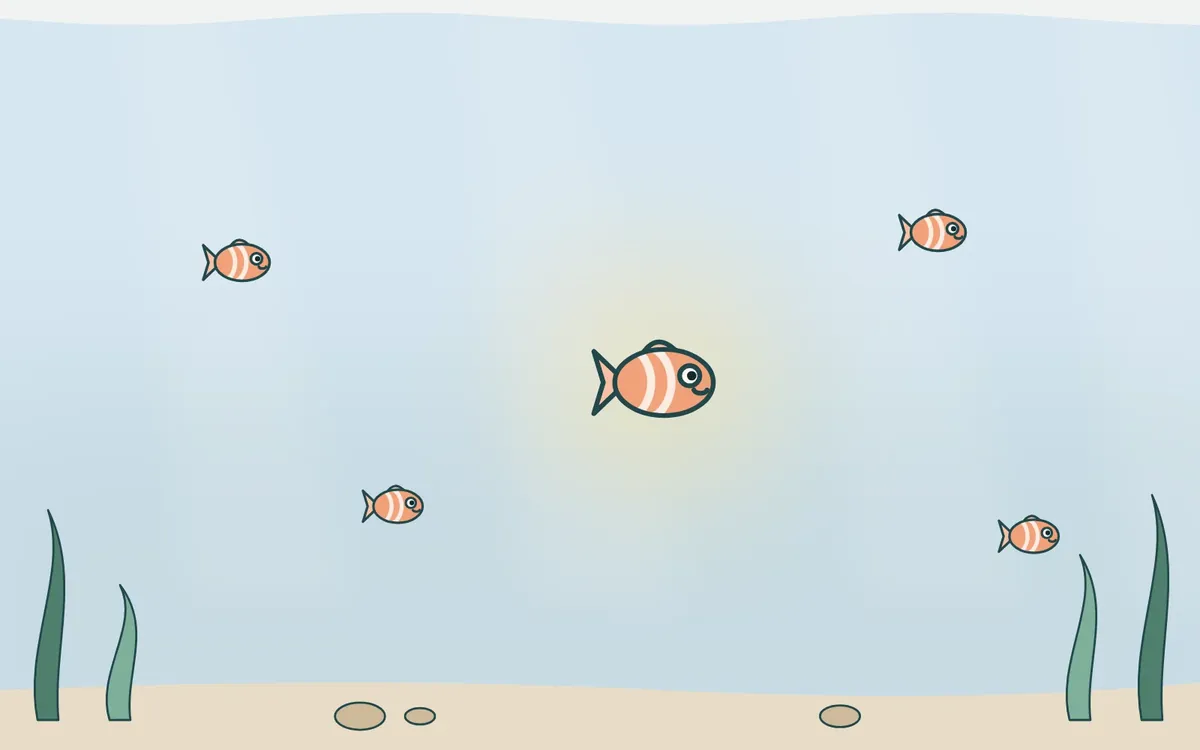
Underwater, with rays of light, seaweed and swimming fish.
Games

Level by level, at their own pace

Traffic officer, a submarine dive, candle breathing, rhythm, mazes… Eighteen games for each age group, with new ones opening as the program weeks go by.

  • The starting level is chosen by age
  • 3 stars open the next level; if it gets hard, the game steps back a level
  • Your child never hears “wrong,” only “Almost! Let’s try again.”
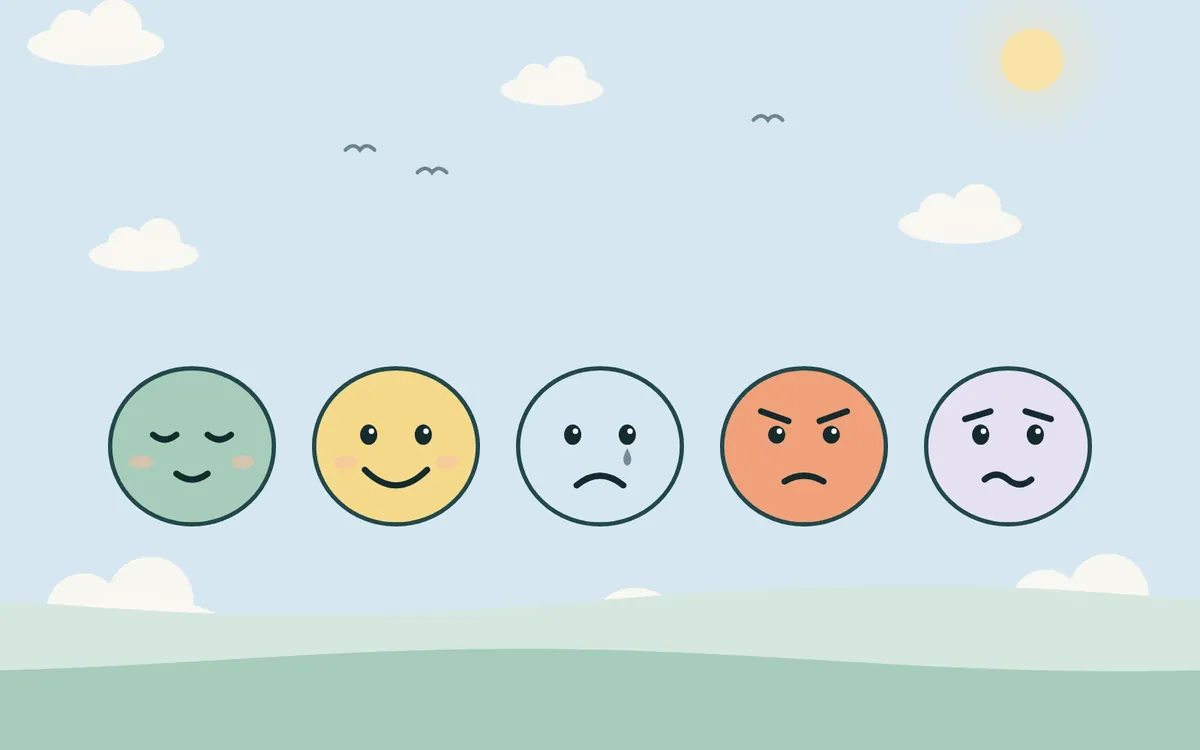
Five feeling faces against the sky: calm, happy, sad, angry and worried.
Tasks

Small tasks on the phone

Holding down to fill a breathing balloon, putting pictures in order, wiping away a cloud to find what’s hiding, repeating a rhythm, picking a feeling. Twenty-one kinds of task in five families.

  • Every task’s treats are fixed and shown up front
  • In voice tasks only the sound level is read; nothing is recorded
  1. Baby 0 treats
  2. Tiny 15 treats
  3. Small 45 treats
  4. Young 100 treats
  5. Big 180 treats
  6. Grown-up 280 treats
A pet

Raising a friend of their own

Your child picks a cat, dog, rabbit or bird and chooses its color and name. They feed it with the treats they earn from tasks and watch its tricks as it grows. A new item unlocks at the end of every program week.

  • Growth steps are fixed and visible: “4 more treats until it grows.”
  • The pet never gets hungry, sad or upset, and its growth never goes backward
For you

Knowing what to do, and what to say

The parent area is simple and calm: today’s tasks, your activity, the day’s lesson and the week’s summary, all in one place.

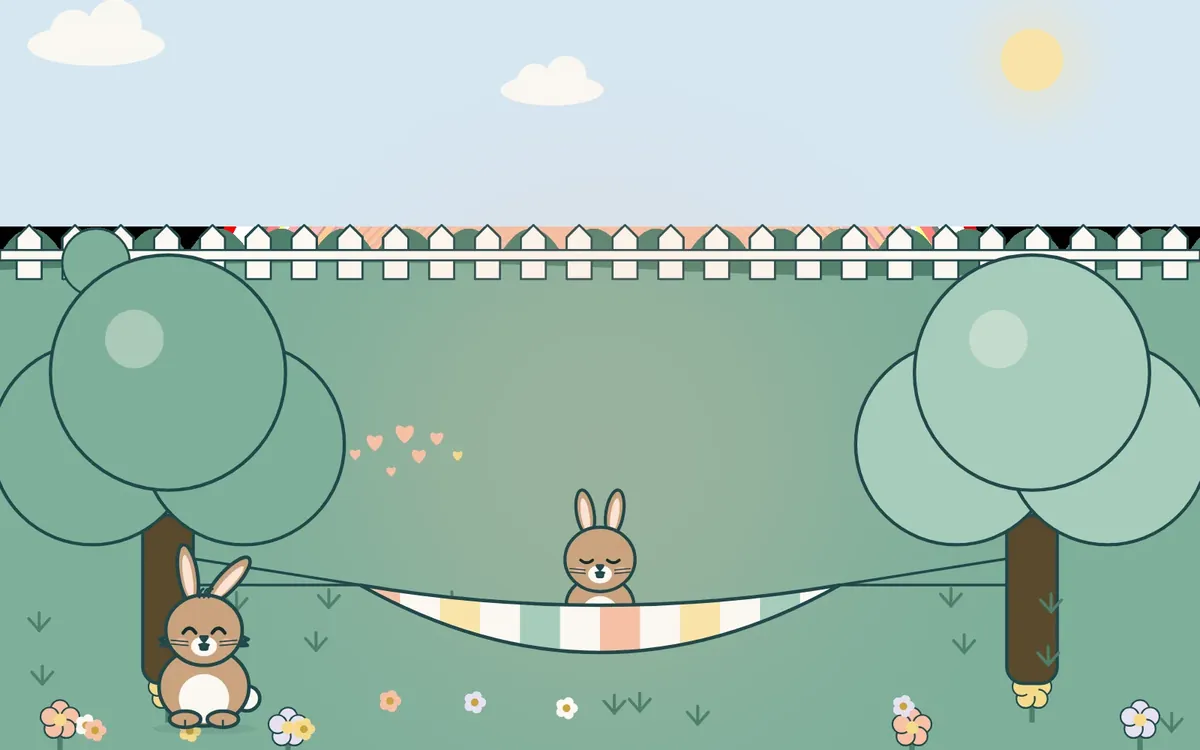
A hammock between two trees, with rabbits resting in it.

The day’s activity

An activity to do with your child away from the screen every day: why it works, what you need, what to do step by step and what to say. With easier and harder options, and separate versions for ages 3–7 and 8–13.

Try this: Beside them, at eye level: “Emma, put your pajamas on, please. What were you going to do?”

Instead of this: From the kitchen: “Come on now, pajamas, teeth, book, do it all!”
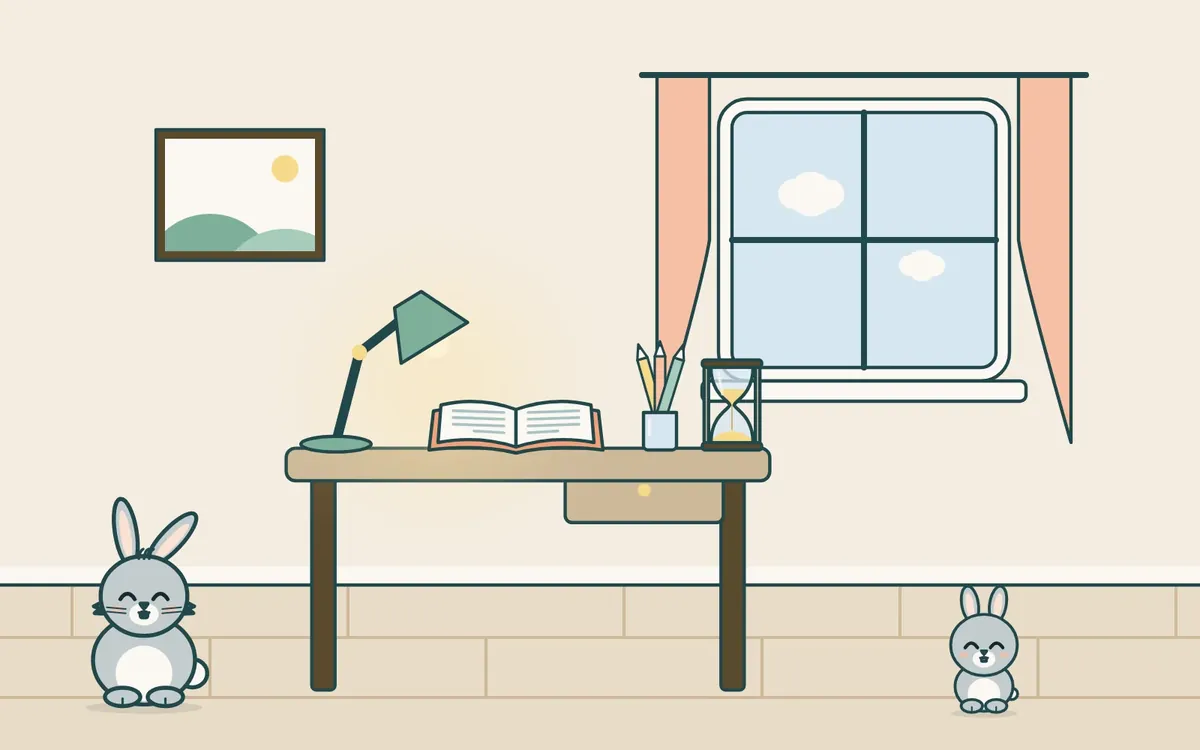
A desk with a lit lamp and an open book, with two rabbits beside it.

Parent Academy

A 5–9 minute lesson for each program day: calming down, routines, attention, waiting, mornings, homework, big feelings and friendships. With printable worksheets.

Browse the lessons
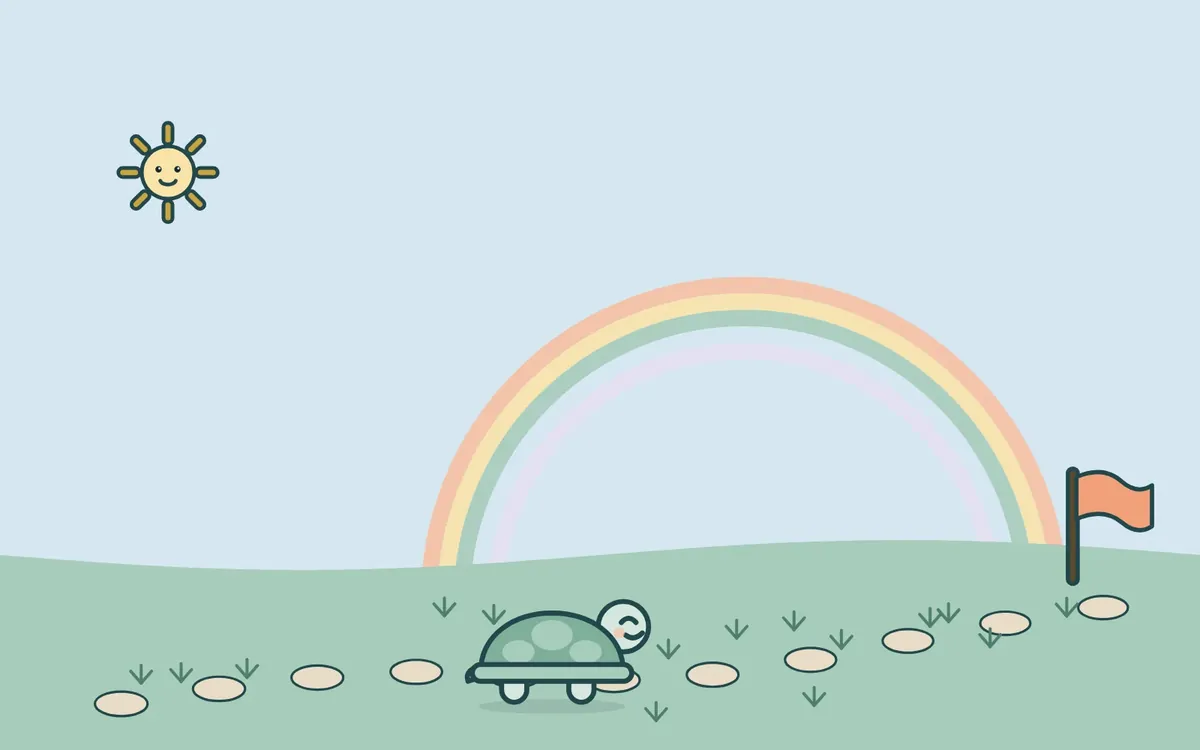
A stepping-stone path under a rainbow, with a flag at the end and Moli the turtle.

Progress and summaries

Completed tasks, game levels and the five skills, with weekly summaries and simple charts. The numbers are information, not grades or comparisons.

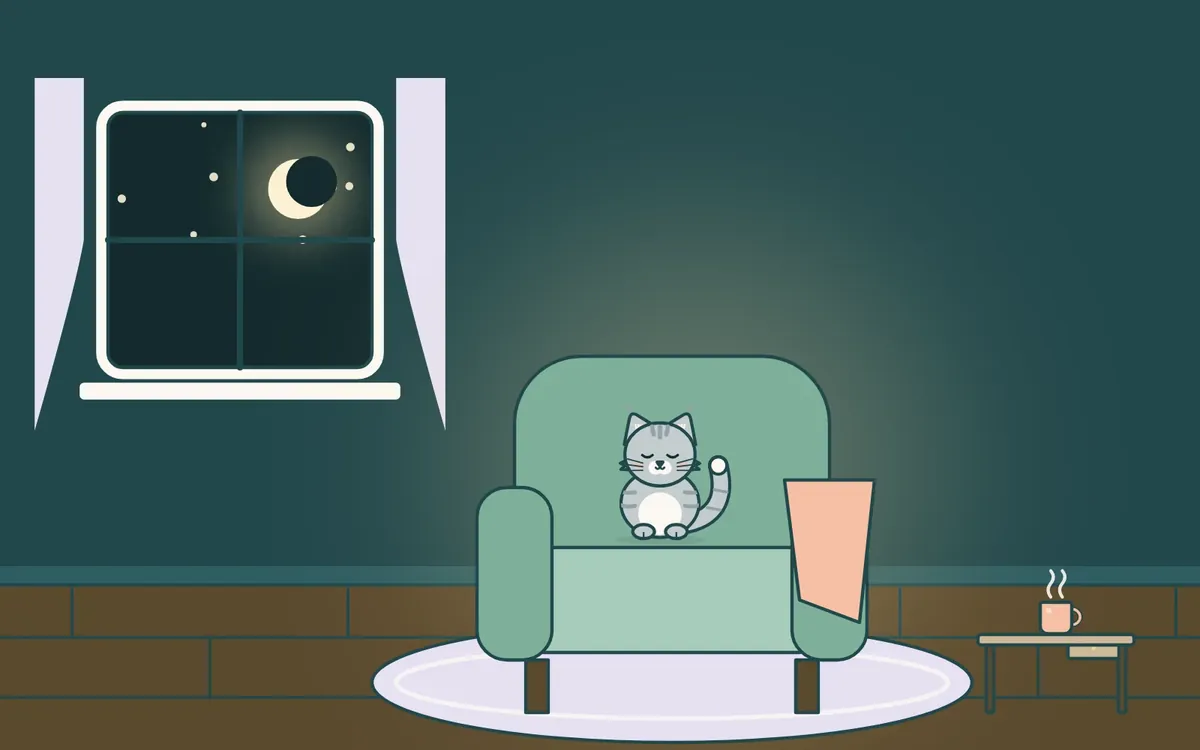
A cat resting in an armchair in the evening lamplight, with a warm mug beside it.

Moli AI

An optional parent assistant: short, practical suggestions for routines, homework, sleep and angry moments. It works only with your separate consent and points you to your doctor on medical questions.

Our principles

Calm, predictable and safe

Moli isn’t designed to keep your child on the screen. It’s designed to help them get off it calmly.

  • No punishment

    A missed day isn’t lost; you pick up where you left off. Treats earned are never taken away.

  • Predictable rewards

    No surprise boxes, spinning wheels or random prizes. Every task’s treats are fixed and shown up front.

  • A screen time limit

    15–20 minutes a day, by age. When time is up, a gentle closing screen; extra time only with your parent PIN.

  • No endless feeds

    No autoplay and no “one more round.” Every session ends with a screen-free activity.

  • Parent lock

    Leaving child mode needs your PIN, or Face ID or a fingerprint. No purchases and no links out on your child’s side.

  • No ads, no tracking

    No ads and no third-party tracking tools. You can turn off our own usage records in Settings, too.

  • Minimal data

    A nickname is enough for your child, and we never ask for health information. Photos stay on your phone.

  • Night mode

    Dimmer colors, slower animations and softer sounds in the evening. Follows the phone’s “reduce motion” setting.

Age groups

A program for every age

Separate games, tasks and a day-by-day program for each of the four age groups. Games start at a level that suits your child’s age and move at their pace.

  • Ages 3–5

    Little Ones

    15min / day

    Big touch targets, spoken instructions and short, calm games.

  • Ages 6–7

    Explorers

    17min / day

    First games with rules, waiting for a turn and picture routines.

  • Ages 8–10

    Heroes

    20min / day

    Longer attention, stop signals, planning and rule-switching games.

  • Ages 11–13

    Captains

    20min / day

    Harder levels, rounds played by ear alone and making their own plans.

The daily time is the age group’s suggestion; you can change it between 5 and 20 minutes in your child’s profile.

A 12-week season

84 days, step by step

In the first five weeks, the skills are built one at a time; week six looks at what has changed halfway; the following weeks carry these skills into mornings, homework, big feelings, friendships and moments out and about.

  1. Foundations of calm Week 1 · Days 1–7
  2. Routines Week 2 · Days 8–14
  3. Attention Week 3 · Days 15–21
  4. Impulses and waiting Week 4 · Days 22–28
  5. Memory and planning Week 5 · Days 29–35
  6. Halfway there Week 6 · Days 36–42
  7. Mornings and getting to school Week 7 · Days 43–49
  8. Homework and learning time Week 8 · Days 50–56
  9. Big feelings Week 9 · Days 57–63
  10. Friends and siblings Week 10 · Days 64–70
  11. Out and about, and on screens Week 11 · Days 71–77
  12. Closing: strengths Week 12 · Days 78–84

See the whole program

Parent Academy

A 5–9 minute lesson every day

Short, practical and blame-free. Each lesson explains why something works, how to try it and what to say.

A big rabbit and a little rabbit look at the same flower: seeing the same world through different eyes.

Day 1 8 min read Calming down

Can't yet, not won't

Look at your child's hard moments with new eyes: the problem isn't unwillingness, it's skills that are still growing.

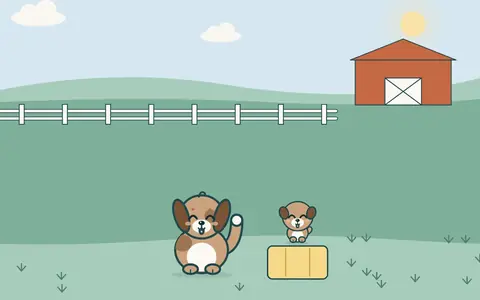
A puppy on a hay bale, at eye level with a big dog.

Day 15 8 min read Attention

Instructions that get heard

Long instructions called out from far away get lost. The power of instructions that are close, short, one step at a time and said back.

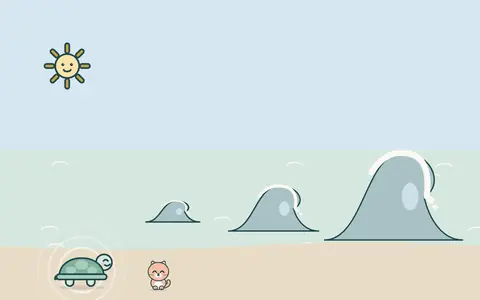
Waves on the sea growing bigger and bigger; Moli on the sand spots the waves early and breathes slowly, with a kitten beside her.

Day 57 9 min read Calming down

The wave of anger: early signs

Anger doesn't explode all at once; it rises like a wave. Recognizing the early signs together opens the way to calming down before the wave grows.

See all 84 lessons

Pricing

The first 3 days are free, then Moli Family

Start without a card. The rest of the program and Moli AI come with one family membership that covers all your children.

Free start

Free

Each child’s first 3 program days · no card needed

  • Warm-ups, games and tasks
  • A pet and treats
  • The day’s activity and Academy lesson
  • Moli AI, the parent assistant

Moli Family · Monthly

Renews automatically every month

The App Store and Google Play show the price in your local currency.

  • Every day of the 84-day program
  • A Parent Academy lesson every day
  • Moli AI, the parent assistant
  • One membership for all your children

Purchases are made only through the App Store and Google Play, and you can cancel any time in your store settings. If your membership ends, nothing is lost. The price shown in the store applies.

FAQ

Questions parents ask

What is Moli?

Moli is an at-home support program for children who struggle with attention and self-regulation, and for their parents. Each day your child warms up, plays games and does small tasks in a 15–20 minute screen session; then the screen turns off and you do the day’s activity together. You read a 5–9 minute Parent Academy lesson each day, too.

Is Moli a health service?

No. Moli is not a health service and does not replace professional advice. It’s a family program designed to support attention and self-regulation skills at home, through play and everyday routines. If you have concerns about your child, talk with your child’s doctor or a children’s mental health professional.

How do you limit screen time?

Each age group has a suggested daily time (15 minutes for Little Ones, 17 for Explorers and 20 for Heroes and Captains), which you can change between 5 and 20 minutes. When time is up, your child’s side closes with a gentle closing screen, and extra time can only be added with your parent PIN. There’s no autoplay, no endless feed and no “one more round.”

What happens if my child misses a day?

Nothing is lost. The program follows your progress, not the calendar: a day that wasn’t done carries on from the same place the next day. Streaks don’t reset, treats aren’t taken away, and the pet never gets hungry or sad.

How does the free start work?

Each child’s first 3 program days are free, with no card needed. After that, new days and Moli AI continue with a Moli Family membership. The yearly plan also comes with the store’s 7-day free trial.

What information do you ask for?

For the account, your name and email address; for your child, only a nickname, birth month and year, focus skills and, if you like, interests. We don’t ask for health information, location or access to contacts. Photos stay on your phone, and in voice tasks only the sound level is read; nothing is recorded.

Read the privacy notice

See all questions

Take the first step together today

Download Moli, tell it a little about your child and start the first day right away. The first 3 days are free, no card needed.

Coming soonApp Store Coming soonGoogle Play

For iPhone, iPad and Android phones and tablets · English and Turkish