
A Calm, Strong Home in 30 Days
Calming down, routines, attention, impulses and waiting, memory and planning: the core tools for calmer days at home.
A lesson for each day of the program. It explains why something works, how to put it into practice and which words help, with printable worksheets. Lessons open in the app when your program day comes.
Seeing a hard moment with new eyes: not unwillingness, but a skill that’s still growing.
A method you can use right away, broken into steps.
Words to say, and the ones to avoid instead.
One small, concrete step to take once the lesson is done.
A question that helps you look at your own home.
The lesson in a few sentences, and in most lessons a printable sheet.
From the first lesson of attention week. An instruction is heard when you go to your child, get down to eye level and give one step at a time.
Try this: Beside them, at eye level: “Emma, put your pajamas on, please. What were you going to do?”
Instead of this: From the kitchen: “Come on now, pajamas, teeth, book, do it all!”
Calming down, routines, attention, impulses and waiting, memory and planning: the core tools for calmer days at home.
The same tools in real life: mornings and coming home from school, homework, big feelings, friends and siblings, out and about and on screens, and closing the season.
Titles and short summaries. The full lesson, its worksheet and the day’s activity are in the app.

Look at your child's hard moments with new eyes: the problem isn't unwillingness, it's skills that are still growing.

Your child learns to calm down mostly by watching you. Plan how you'll keep your own calm in hard moments.

Teach breathing through play at calm moments, not in a crisis. Five breathing games to try at home.
A small corner you set up together at home can become a safe harbor for big feelings.

A feeling we put a name to gets smaller. Learn the five steps of emotion coaching and the feelings thermometer.

Ten minutes a day of play where your child leads feeds your relationship and increases cooperation.

Most hard moments don't come without warning. Discover repeating patterns with an ABC diary, and look back on the first week.
Routines give your child's brain a map from the outside. This week we build the day's framework together.

The morning rush is the hardest hour for many families. Move half the preparation to the evening and set up a picture morning routine.

A good morning starts with a good evening. A slowing-down evening routine and small habits that support sleep.

Moving from one task to another is the hardest moment of the day for many children. Warn ahead, show the time and build a bridge.
Lost things, messy rooms and endless tidy-up battles. Leave order to visible places, not to memory.

A clear agreement written together instead of screen fights. When, how long, where, and how will it end?
Progress is often quiet. At the end of the second week, look at what has changed, and put consistency above perfection.
Long instructions called out from far away get lost. The power of instructions that are close, short, one step at a time and said back.

The best way to get your child to listen to you is to listen to them first. The small secrets of talking without interrogating.
Setting, time and breaks to reduce homework battles. Support focus with short work blocks and movement breaks.

A job that looks like a mountain becomes climbable when it's broken into steps. The power of shrinking the first step.

What you pay attention to grows. Multiply the good moments with praise that is specific, sees effort and comes often.

When school and home speak the same language, a child feels safer. Steps to a productive partnership with the teacher.

After three weeks, look at your home through attention glasses: sound, sight, order and rhythm. A look back at the third week.
Waiting is at the heart of impulse control, and it can be learned. Start with short times, play and visible time.

The sentence "first, then" links starting a hard task to something enjoyable. A predictable order instead of bargaining.
Ignoring small annoying behaviors, catching good behavior and keeping safety limits clear.
A few clear rules known in advance, with small, logical consequences. Staying consistent without shouting or shaming.
Sibling conflicts happen in every home. Turns, timers, how fair differs from equal, and separate time for each child.

The store, visiting, restaurants. A plan in advance, a job and a way out for the hard moments outside.

Every family has bad days. Repairing the relationship after a conflict is one of the most valuable lessons you can give your child.

Forgetting isn't unwillingness. Set up an "external memory" that moves the job of remembering to lists, boards and alarms.

At the end of thirty days, look at your child's strengths, at yourself and at the road ahead. A plan you can keep up.
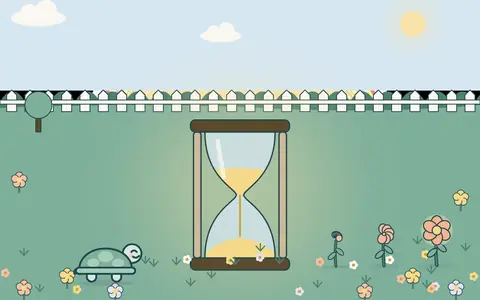
For children who find it hard to sense time, make time visible with sand timers, clocks and guessing games.
Planning can be learned. Plan small tasks together with four short questions: what do we want, how will we do it, let's do it, how did it go?
Memory games don't magically grow memory, but they make using it fun. Five-minute games at home and everyday tips.
A picnic, a family meal or getting ready for a small celebration. Planning a real task together is the experience that teaches planning best.

Five weeks are behind you. This week you made time, plans and memory visible; now it's time to look at what worked.

You've reached the middle of the season. Look at your notes from the start, see what has changed and choose your direction for the second half.
Routines aren't set in stone; as school, the seasons and your child change, they change too. Which have settled in, and which need readjusting?
How are the close, short, one-step instructions you learned three weeks ago going now? Moving on to two-step instructions, and small attention-friendly adjustments.
Have the waits gotten longer, and has the "first, then" bargaining eased? A second round of impulse control, and taking "Stop, think, do" into daily life.

Is the door board still being used? Making external memory last, and helping your child learn to set up their own reminders.

You've been putting in effort for six weeks. Today, celebrate the change together: memories, strong moments and enjoyable family time.

Supporting your child also means looking after yourself. Recognizing parent tiredness and a plan for small breaks.

The first ten minutes of the morning set the tone for the day. Make waking up gentler with light, sound and a short moment of connection.

Getting dressed is a long journey for a child whose attention drifts. Make the order visible, cut down distractions and stay close.
Morning stress shows up first in a parent's voice. Try small ways to slow your own pace and leave the house calmly.

A forgotten bag, water bottle or homework usually isn't about unwillingness; it's about the reminder being in the wrong place. Move the reminder to the door.
A child who has held it together at school all day may let it all out at home, in the place they feel safest. Meet the return home with a moment of connection and rest.
Weekend mornings are a chance to connect without rushing. Set up an enjoyable, predictable morning together, without throwing the rhythm off completely.

This week you worked on waking up, getting ready, going out the door and coming home from school. Now look at what has changed in your mornings.
A child who comes home from school may not be able to sit down to homework right away. A fixed transition built from a snack, movement and play makes starting homework easier.
The hardest moment of homework is often starting. Shrink the first step, get the table ready and spend the first five minutes together.
Every child has a length of time they can focus. Split homework to fit that time and add short movement breaks in between.

Remembering what they read matters as much as reading. Ask questions while you read together, put the story in order and have them tell it.
A project due in a few weeks is very likely to get left until the last evening. Plan backwards from the due date and put the steps on a calendar.
Board games are a great school for attention, memory, waiting your turn and coping with losing. Have a family game night this evening.
This week you worked on the move to homework, starting, focus time, reading and long assignments. Look at what has changed in your learning times.

Anger doesn't explode all at once; it rises like a wave. Recognizing the early signs together opens the way to calming down before the wave grows.
Losing a game, not getting what they want or something not going right can set off a big wave. Carrying disappointment is something that's learned.
For many children, "no" is the hardest word. While setting the limit calmly and consistently, teach your child a respectful way to disagree.

Thoughts that start with "What if?" wear a child out. Listen to the worry, accept it without brushing it off and build courage in small steps.
Shouting, hitting or slamming a door is often a need that can't be put into words. Teach your child to say what they need with "I" sentences.
Recognizing feelings, naming them and seeing them in others is learned through play. Have a feelings game night as a family this evening.

This week you worked with your child's big feelings. Today is the day for your feelings: tiredness, anger, guilt and compassion for yourself.

Interrupting usually isn't rudeness; it's the fear of losing what's on their mind. Teach waiting your turn in conversation through play and visible signals.
A child who wants to jump into a game sometimes spoils it or ends up on the outside. Watching, coming closer and joining with something that fits the game can be learned.
Two children, one toy: disagreements are unavoidable. Teach children the simple steps of stopping and finding a solution together.

Rivalry between siblings is natural, but not everything has to turn into a race. Shared goals and language without comparison build cooperation.
A friend coming over is exciting, but unplanned get-togethers often end in arguments. Prepare a short, planned playdate with a clear ending.
Games with no winner and no loser teach working together and listening to each other. Today, play cooperation games as a family.

This week you looked at friendships and siblings. It's time to notice the small steps taken in your child's relationships.

For an impulsive child, the store is an aisle full of temptations. A plan in advance, a job at the store and a wish list make shopping easier.

In the car, on the bus or in a waiting room, time goes very slowly. Show how long it will take, get games ready and plan breaks.
If switching screens off is still hard, you're not alone. Review the tools from days 11 and 13, try their harder parts and update your family agreement.
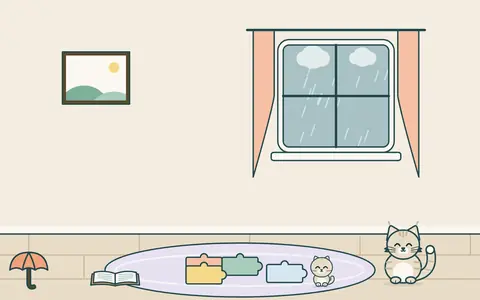
It rained and the park is off; the rules of the game changed. Teach flexibility to children who struggle when plans change, with small games and a plan B.
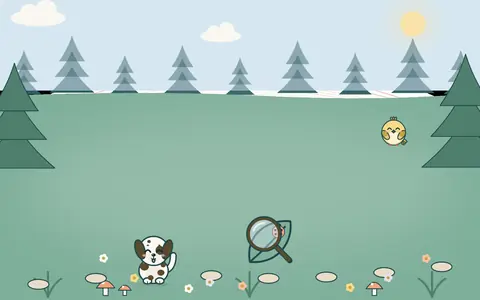
Time spent in nature feeds both movement and attention. Today, go on an attention hunt in nature: looking, listening and noticing.
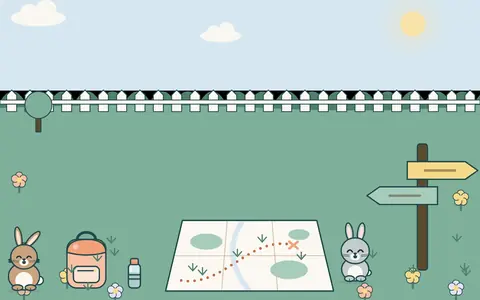
A park trip, a museum or a picnic: make the plan together with your child. Talk through the route, the bag, the rules and what to do if someone gets lost in advance.
This week you looked at the store, trips, screens, changes of plan and nature. Today is the day to notice the small wins out and about.

In the last week of the season, we gather what you've learned. The first stop is calming down: bring the tools that help your child most together in a box.
Over time, routines drift, wear out or get forgotten. At the end of the season, refresh your routine cards and give older children ownership of their own routines.
Instructions, the focus spot, waiting games, first–then, stop-think-do... From the attention and impulse tools you tried this season, choose the ones that work for you.
The door board, the bag list, the calendar, planning backwards... Refresh your memory and planning tools and plan the coming month together.

You've put in a lot of effort over twelve weeks. For that effort to last, you need rest, support and kindness toward yourself too.
You've completed twelve weeks together. Today, celebrate the effort, not the result: each other's strengths and the time you've spent together.

You've completed the season. Today, look at what has changed, choose the habits you'll keep up and get ready for the new season.
Lessons open in the app when your family’s program day reaches them. Each child’s first 3 program days are free.
Download Moli, tell it a little about your child and start the first day right away. The first 3 days are free, no card needed.
For iPhone, iPad and Android phones and tablets · English and Turkish
Bu sayfanın Türkçesi de var.
Türkçe oku